From Raw Material to Manufacturing
Insights into our production process
Ceramic products are made from mineral raw materials and undergo various production stages. On this page, we provide insights into our raw materials, manufacturing processes and energy supply.
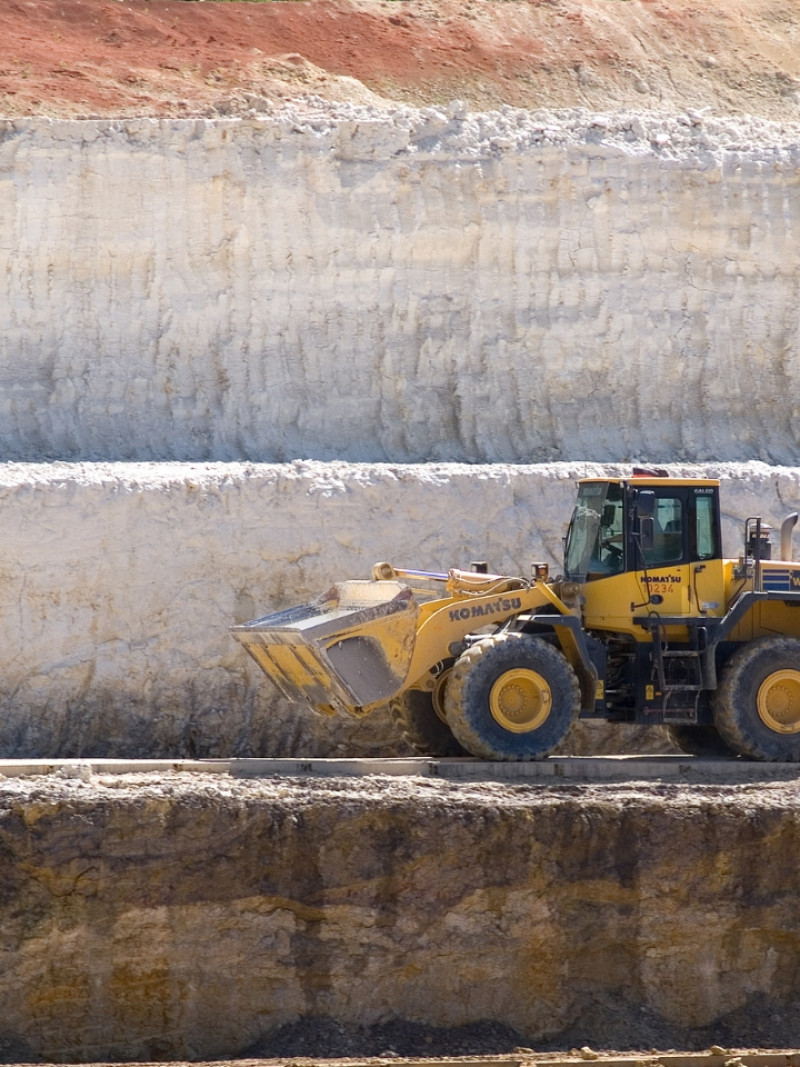
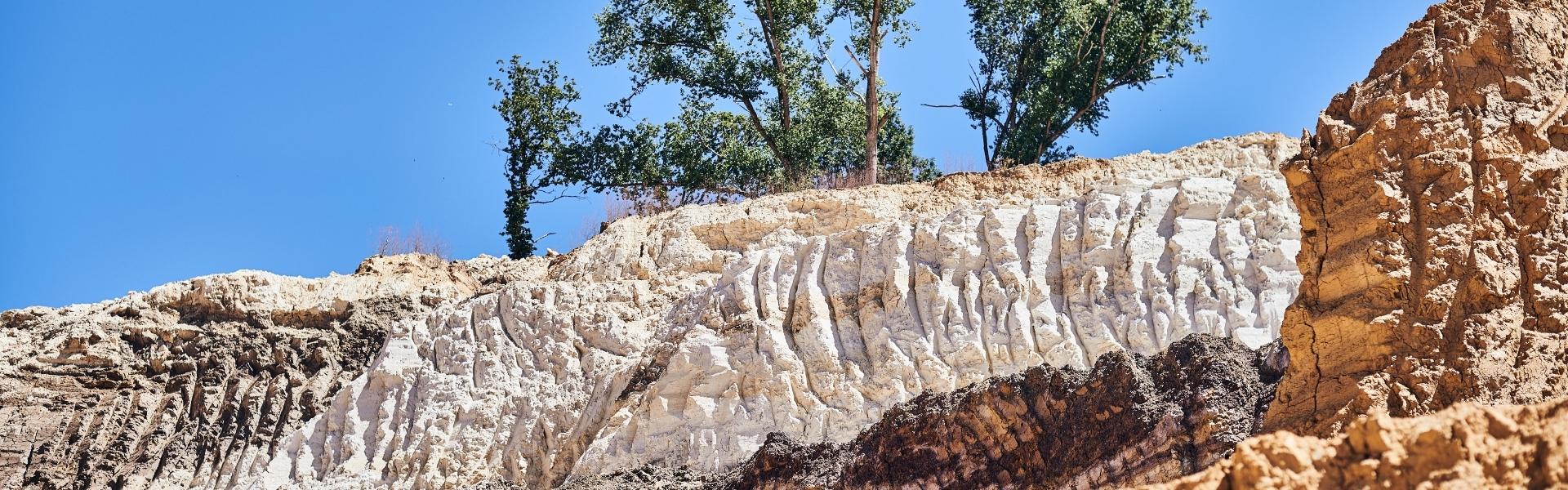
We present specific information about our production sites, suppliers and manufacturing processes. Individual measures are explained where supporting documentation is available. This also includes the extraction of our raw materials and the use of land after clay extraction has been completed.
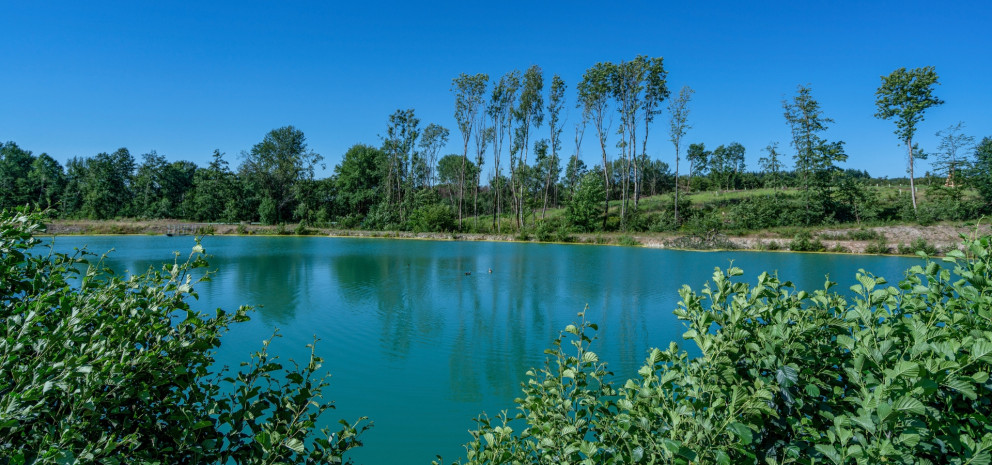
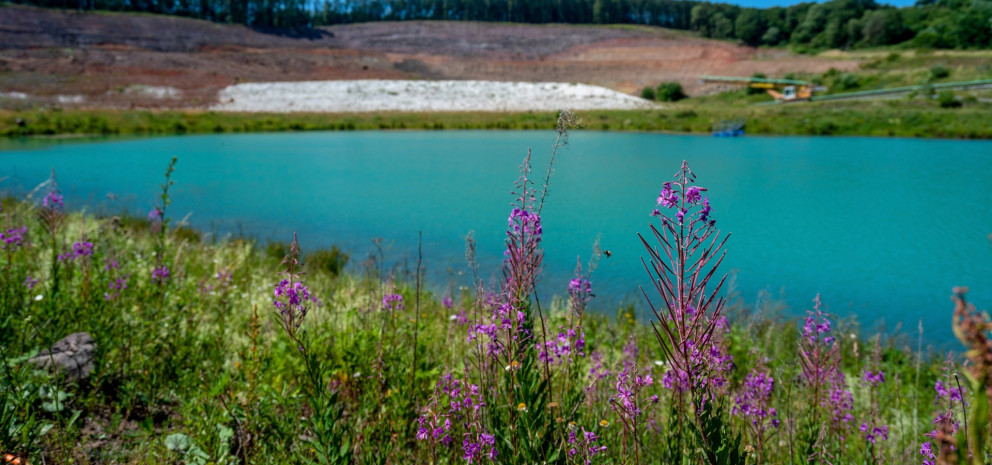
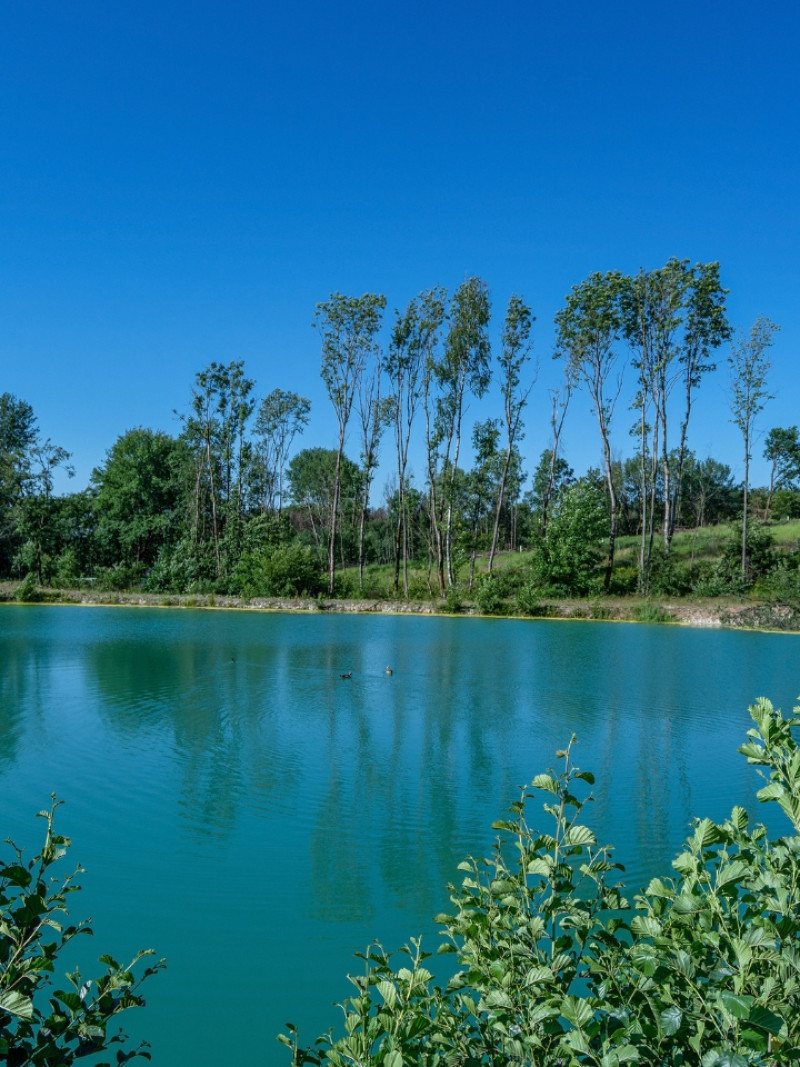
The image above shows a restored clay pit operated by Stephan Schmidt KG, one of our clay suppliers. It provides an example of how a site can develop after clay extraction has been completed.
Raw Materials and Production
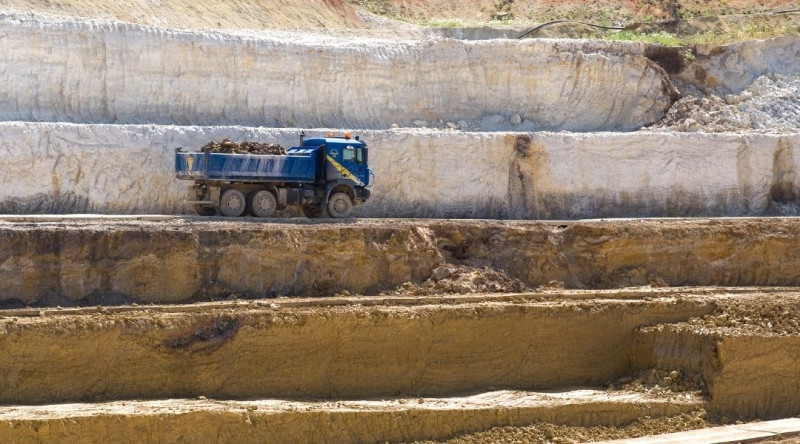
Interbau-Blink products are made from mineral raw materials such as clay, chamotte and feldspar. Depending on the ceramic body, clay and chamotte account for more than 70% of the material. In high-performance ceramics, the clay content can be up to 100%. Our clay suppliers are based in the Westerwald region, while feldspar is sourced exclusively through German distributors.
The raw materials are processed with water to produce ceramic bodies. Depending on the product, the subsequent steps include shaping, drying, glazing or decorating, followed by firing. Ceramic production residues are partly returned to suitable production processes. Other materials generated during production are handled and recovered through established recovery channels.
Clays from the Westerwald Region
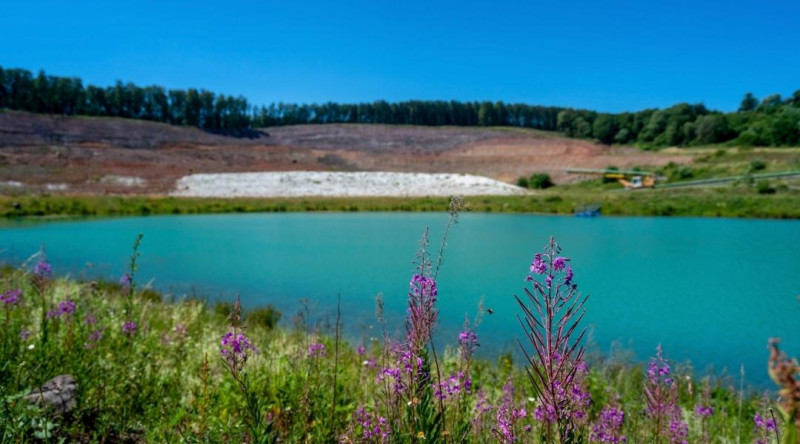
Our production site is located in the Kannenbäckerland, the region from which the clays we use are sourced. Clay has been extracted and processed in the area around the Kannenbäckerland for centuries.
Interbau-Blink sources the clays used in its products from suppliers in the Westerwald region. The geographical proximity between our production sites and our clay suppliers is part of our regional supply structure. We work with raw material suppliers who comply with the applicable legal requirements for the extraction and processing of mineral raw materials.
Our raw material suppliers provide information on the reclamation of former clay pits and the development of these sites after clay extraction has been completed.
Our Production
At a glance
-
Processing of mineral raw materials into ceramic bodies
-
Heat recovery and thermal use of process heat
-
Treatment and reuse of process water
-
Exhaust gas cleaning in ceramic manufacturing
-
Return of suitable production residues to production processes
-
Energy management in accordance with DIN EN ISO 50001
Certificates & Documentation
Environmental Information & Documentation
Transparent and traceable information is an important basis for our corporate and product communication. We therefore provide selected certificates and documentation relating to our energy management and environmental information for our products.
Interbau and Blink each hold certificates in accordance with DIN EN ISO 50001:2018. The certificates confirm that the respective energy management systems meet the requirements of the standard. The certificates are valid until 2028.
An Environmental Product Declaration (EPD) issued by the Bundesverband Keramische Fliesen e. V. (BKF) is available for Interbau-Blink products. It contains product-specific environmental information based on the data and system boundaries defined for the EPD.
Environmental Product Declaration
According to ISO 14025 and EN 15804
The Bundesverband Keramische Fliesen (BKF) has commissioned an industry-wide EPD for ceramic tiles for its member companies manufacturing in Germany. An EPD (Environmental Product Declaration) provides quantitative information on the environmental impacts of a construction product across defined life cycle stages, based on a life cycle assessment.
The underlying data are determined according to defined rules and independently verified before publication.
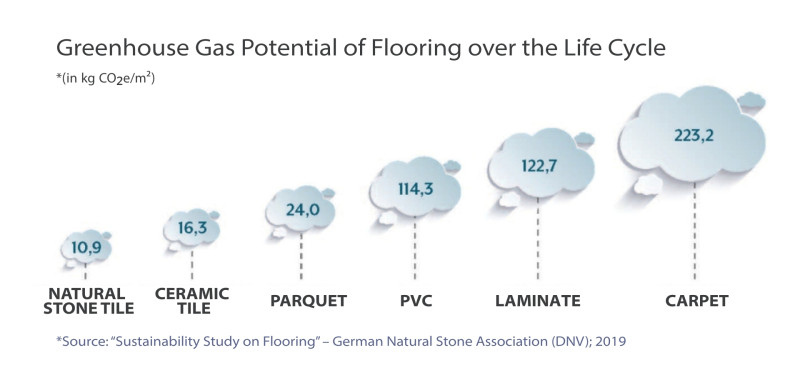
The EPD published for ceramic tiles manufactured in Germany includes, among other figures, a value of 10.2 kg CO₂ equivalent per m². This value relates to the product group defined in the EPD and the system boundaries and assumptions specified therein.
Note on the infographic: The 16.3 kg CO₂/m² shown there comes from a study published in 2018 and does not correspond to the current EPD value of 10.2 kg CO₂ equivalent per m².
The EPD is based on an average material input of approximately 18 kg/m².
For GIGA-Line® tiles with a material thickness of 6 mm, the product weight is approximately 15 kg/m².
The EPD therefore provides a standardised data basis for the environmental assessment of construction products.
The raw materials used for our products are sourced from deposits in the region, including from Stephan Schmidt KG in Dornburg.
Clay extraction and processing at the respective deposits are carried out in accordance with applicable legal requirements. Our raw material suppliers provide their own information and documentation for selected sites and topics.
The video shows an example of a clay pit operated by Stephan Schmidt KG and the development of sites after raw material extraction.
For more information on environment and production, please visit the website of our raw material supplier, Stephan Schmidt KG.
Regular surveillance audits are carried out as part of our energy management system in accordance with DIN EN ISO 50001:2018. The certificates issued for Interbau and Blink confirm that their respective energy management systems meet the requirements of the standard.
As part of the energy management system, energy consumption is recorded and assessed, and energy objectives are defined. We provide the certificates and further information on our energy management on this page.
For quality testing, we have been working for decades with the independent Forschungsinstitut für Anorganische Werkstoffe – Glas/Keramik – GmbH (FGK) in Höhr-Grenzhausen, which is accredited by the German Accreditation Body (DAkkS). The accreditation is listed under DAkkS No. D-PL-18634-01-00.
DIN EN ISO 50001 Certification – Interbau
DIN EN ISO 50001 Certification – Blink
Our Collaboration
with External Partners
Interbau-Blink works with various partners and organisations. On this page, we provide an overview of selected collaborations and networks, as well as their respective relevance to our business operations. These include our collaboration with Interzero and Der Grüne Punkt.
Interbau-Blink works with Interzero on the collection and recovery of materials. This includes services for the collection and recycling of packaging and other recyclable materials.
Interbau-Blink works with Der Grüne Punkt in the area of packaging disposal and recovery. Through the relevant systems, packaging is collected and sent for recovery.